Friday, October 4, 2013

(21) Unusual Stamp Mill Configurations

Going through all of the stamp mills that I have recorded, I found that some of them were different and would like to share the different styles of stamp mills that I have found over the years.

There are several stamp mills that were different than the standard mills with the straight uprights, cams and stamps. The “California Improved Stamp Mill” is a good example of the variation on the standard mill. This machine used springs to increase the pressure that the stamps delivered during operations. They could use a smaller lighter stamp to create more crushing power. There were even variations in the CISM mills. The (14) stamp mills on this presentation is a very diverse rendering of stamp mill variations.  


Thursday, October 3, 2013

(20) 115 Year Old Stamp Mills Run Again

The Mojave Desert Heritage & Cultural Association located in Goffs, California possesses two stamp mills that have been restored back to operations. The following is a short synopsis of the two stamp mills and then the You Tube video that was shot at the 2013 Rendezvous event at the Mojave Desert Heritage & Cultural Association.


Stott’s 2-Stamp Mill

History There is not a lot known about the mill. The Stott’s 2-stamp mill belonged to Ambrose B. Stott’s. It was on one of his many patented claims. It was said that he supplemented his income by processing ore that miners in the area brought to his mill. It was noted that the building behind the mill was used to store ore from other miners until they would have Ambrose crush their material. The homestead/mill was in Round Valley, California on the south end almost adjacent to Table Top Mt. You could not see the mill from any of the roads. It is unknown when the 2 stamp gold mill was erected on the Stott’s property. The mill was manufactured by the Baker Iron Works in Los Angeles, California. The picture below was taken in April 1999.

Restoration In February of 1999 the mill was purchased and the entire mill, including the ore storage house was moved to Goffs. It took several years, but the mill was completely restored by 2010 and continues to operate today. The picture below shows the completed restoration.

American Boy 10-Stamp Mill

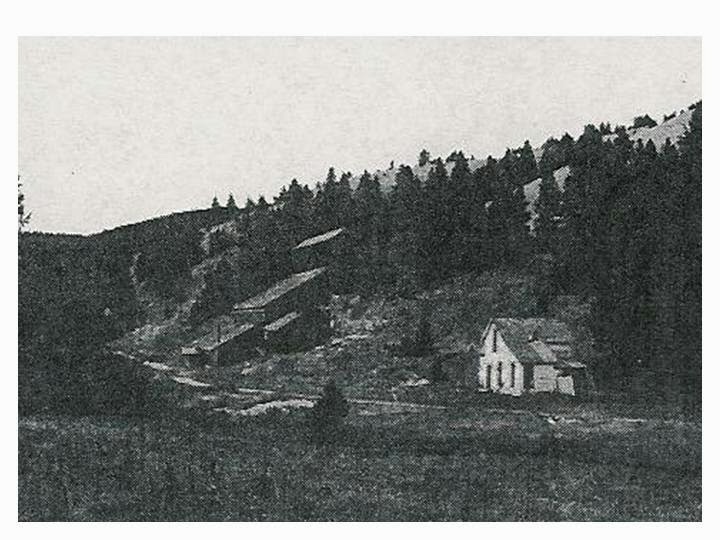
History This 10-stamp mill originated at the Empire Mine near Marysville, Montana and was part of a 60-stampmill at that mine from 1887 to 1928. The picture below shows the mill in the early days at the Empire mine.


There were two sections, 10 stamps, moved to the North Gould Mine in Stemple Pass between Helena and Lincoln in the late 1920’s and operated there until the 1950’s and the mill was sold again. This time it was moved to the American Boy claim south of the Gould claims and was upgraded with new shoes, dies, driver and placed in a building. The mill never saw much activity since there were problems with the water source in the area and it stayed dormant until it was purchased and brought to California. The mill was purchased for the Mojave Desert Heritage & Cultural Association in 1996. It lay dormant until 2010 when the restoration was started and the restoration was completed in October 2013. The video was taped during the 2013 Mojave Desert Heritage and cultural Associations’ Rendezvous. The picture below shows a recent picture of the mill:


The you tube web page http://youtu.be/NbSoyCauNaI shows a 17 minute startup, run and shutdown of the Stott’s 2-Stamp Mill and the American Boy 10-stamp mill during the 2013 Rendezvous at the Mojave Desert Heritage & Cultural Association. The video credits go to Dawn Nelson, a member of the Association, who shot the video.

Sunday, August 25, 2013

(19) Underground Mining Equipment & Processes


The following is a study of underground mining equipment & processes. It includes the types of drivers used to transport the miners and materials underground, the devices that miners and materials moved through the mine complexes and the digging tools used underground.
Mine Engines
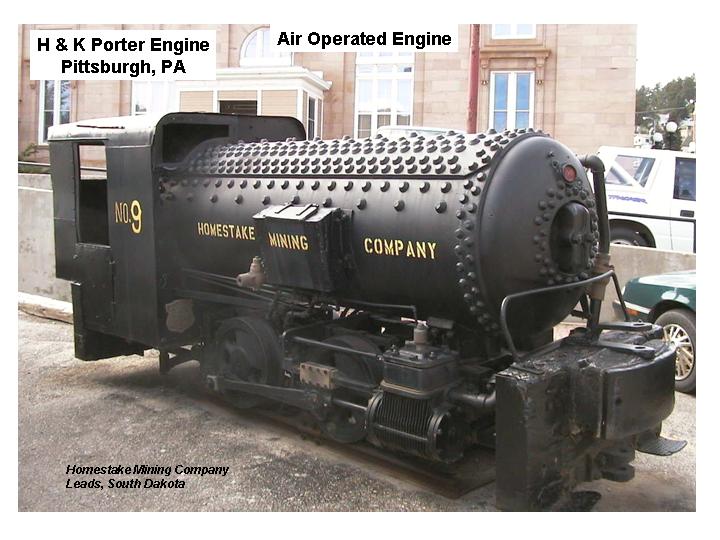
There have been several types of energy used to move miners and ore underground. They range from mules moving the miners and ore to air operated and electric conveyances.
The following pictures show some of the various types of engines that have been used over the years.

Note: Click on Images to make them larger


Personnel Transports
There have been several types of miner transports over the years for both vertical and horizontal transport.


Materials Transport
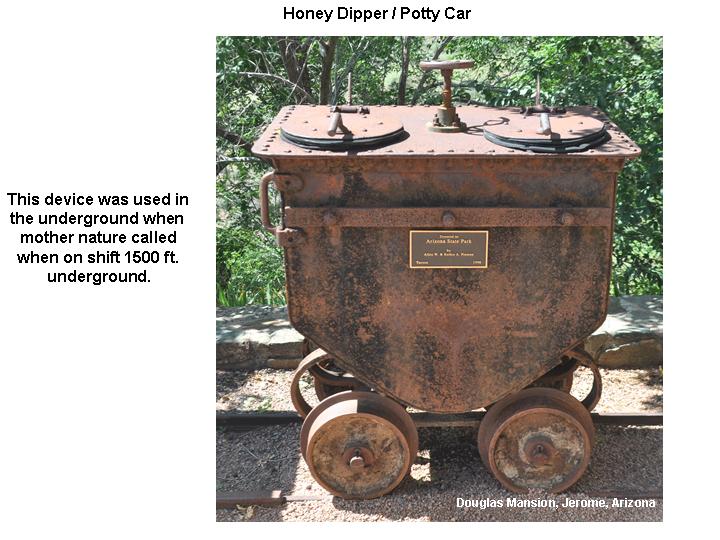
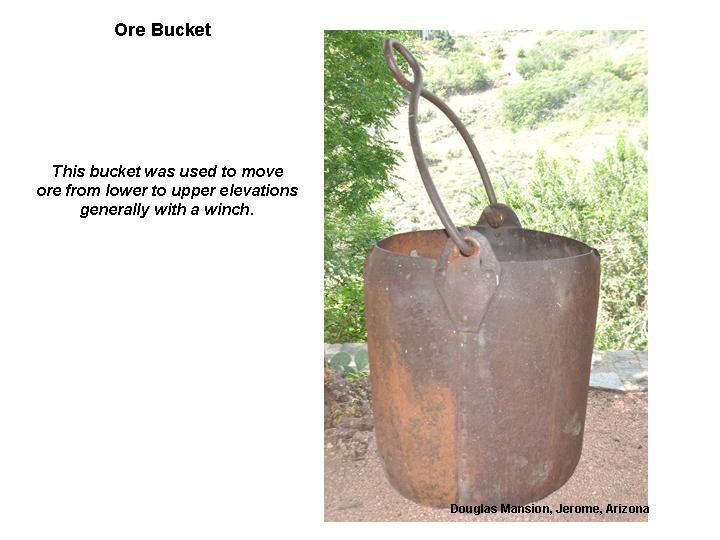
There were several different needs for devices to transport materials in and out of the mines including, ore, wood, steel, rock waste (muck), and also to remove human wastes from the mines.


Digging Machines
Miners have been inventive over the years starting with a pick and shovel and developing tools with mechanical advantage powered by steam, air and electric in their underground operations.


Saturday, August 3, 2013

(18) 1912 Publication on Stamp Milling

Stamp Milling A Treatise on Practical Stamp Milling and Stamp Mill Construction by Algernon Del Mar

This book contains a tremendous amount of information that is easily understood by most individuals that are interested in stamp mills and their processes. There are about 140 pages in this book and can actually be read like a novel. I know one individual that read through this book from front to back twice!

There is a brief history of the stamp mill starting in 1340, when they were used in the production of gun powder, and continues through 1900 which at that time stamp mills were considered quite modern. A nice thing about the book is that it has several illustrations that show early stamp mill configurations. In addition, it contains a wonderful history of the stamp mill.

The book gives an excellent accounting of the general principles of the stamp mill and discusses stamping, battery feeding, crushing capacity, power requirements and the cost of stamp milling.

It informs readers about problems that might occur during operations including broken camshafts, loose shoes and bosses, and how to prevent these accidents from happening.

There is an entire chapter on amalgamation. A discussion on amalgamation in excellent detail follows and points out practical applications of the process.

One of the most interesting chapters discusses construction and has many pictures and drawings to help understand how mills were assembled.

I recommend this book for anyone who is interested in learning more about stamp mills and how they work.  This book can be downloaded from the Internet through the following site: http://www.jeffersonminingdistrict.com/mining/Stamp_milling_1912.pdf