Friday, March 14, 2014

(24) Cossak 20-Stamp Mill History

The Cossak 20-stamp mill was used to crush and process gold ore in Bland, New Mexico and operated in the early 1900's. The mill was moved from Bland to Goldfield, Apache Junction, Arizona in the 1990's and then moved again to the Superstition Mountain Museum in Apache Junction, where it stands today. This is a presentation of the history for the mill and was designed to be given verbally and most of the slides are self explanatory. This was an amazing sequence of events in the history of the mill over the past 100 years.


Sunday, February 9, 2014

(23) A Typical Mining Artifact Show


Mining Artifacts Shows
For those of you that are looking for mining artifacts and learn more about early mining you should attend the twice a year Mining Artifact Swap Meet. This is a group of hardcore collectors who bring the “good” stuff to the shows.  They are generally two shows a year and the first one is in February and the second one is in June in either Colorado or California. The Colorado and California shows rotate every other year between the two states. These shows are not well advertized and the one in Tucson is held during the annual February Tucson Gem and Mineral Show that takes up most of Tucson’s motels and overshadows other activities.  


This year’s show, shown below, was held on February 8 in Tucson at 6245 E. Bellevue Street from 11AM to 4 PM. They had approximately 25 vendors at the show and attendance was normal. The pictures below show the vendor’s wares and visitors. This show is a good forum to network with people with mining knowledge and to learn about old mining artifacts as shown below:
The next show is going to be in Nevada City, California on June 28 at the Nevada City Elks Building from 10 AM to 4 PM. This show will be similar to the one in Tucson and should be very exciting. The Nevada City area has several mining related attractions, including the North Star Powerhouse and Museum, Nevada City Miner’s Foundry, Nevada County Narrow Gauge Railroad and the Empire Mine State Park.

Sunday, October 27, 2013

(22) Stamp Mills Still Existing in Arizona

Originally, Arizona had many working stamp mills that crushed ore for various metals. Many mills have disappeared because of metal scrapping or the cleaning up of old mine sites. Some have been removed and recycled for the World War II efforts. The mortar boxes were made from cast steel and weighed about 2 ½ tons and the stamps about 1,000 pounds apiece. These parts were important as they were melted down for the war effort. Among the stamp mills that have totally disappeared are the Phoenix Mine’s 100-stamp mill and the Vulture mine’s 60-stamp mill that crushed gold ore from the 1880’s through the 1920’s.

Some mills have incomplete information since I could not find where they were originally located. My requirements are that they do not have to be standing or running, but have enough parts left for a restoration to be made. I have made an effort to locate the remaining stamp mills, and believe I have found most of the mills left in Arizona. Much of the information has been acquired through discussions with the Forest Services, Arizona Geological Survey’s Phoenix Branch Office (previously Department of Mines & Mineral Resources), local historical organizations, and exploring the state. I have presently identified (22) stamp mills that are still in existence. If you know of any mills I missed, please comment at the end of this article.

Friday, October 4, 2013

(21) Unusual Stamp Mill Configurations

Going through all of the stamp mills that I have recorded, I found that some of them were different and would like to share the different styles of stamp mills that I have found over the years.

There are several stamp mills that were different than the standard mills with the straight uprights, cams and stamps. The “California Improved Stamp Mill” is a good example of the variation on the standard mill. This machine used springs to increase the pressure that the stamps delivered during operations. They could use a smaller lighter stamp to create more crushing power. There were even variations in the CISM mills. The (14) stamp mills on this presentation is a very diverse rendering of stamp mill variations.  


Thursday, October 3, 2013

(20) 115 Year Old Stamp Mills Run Again

The Mojave Desert Heritage & Cultural Association located in Goffs, California possesses two stamp mills that have been restored back to operations. The following is a short synopsis of the two stamp mills and then the You Tube video that was shot at the 2013 Rendezvous event at the Mojave Desert Heritage & Cultural Association.


Stott’s 2-Stamp Mill

History There is not a lot known about the mill. The Stott’s 2-stamp mill belonged to Ambrose B. Stott’s. It was on one of his many patented claims. It was said that he supplemented his income by processing ore that miners in the area brought to his mill. It was noted that the building behind the mill was used to store ore from other miners until they would have Ambrose crush their material. The homestead/mill was in Round Valley, California on the south end almost adjacent to Table Top Mt. You could not see the mill from any of the roads. It is unknown when the 2 stamp gold mill was erected on the Stott’s property. The mill was manufactured by the Baker Iron Works in Los Angeles, California. The picture below was taken in April 1999.

Restoration In February of 1999 the mill was purchased and the entire mill, including the ore storage house was moved to Goffs. It took several years, but the mill was completely restored by 2010 and continues to operate today. The picture below shows the completed restoration.

American Boy 10-Stamp Mill

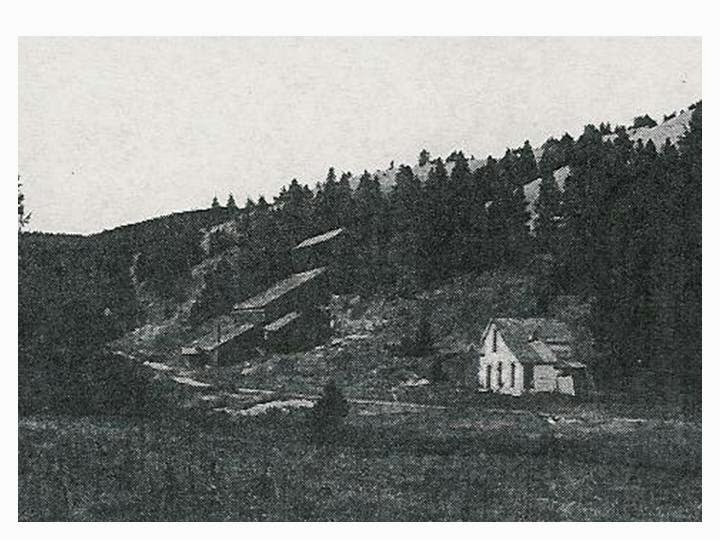
History This 10-stamp mill originated at the Empire Mine near Marysville, Montana and was part of a 60-stampmill at that mine from 1887 to 1928. The picture below shows the mill in the early days at the Empire mine.


There were two sections, 10 stamps, moved to the North Gould Mine in Stemple Pass between Helena and Lincoln in the late 1920’s and operated there until the 1950’s and the mill was sold again. This time it was moved to the American Boy claim south of the Gould claims and was upgraded with new shoes, dies, driver and placed in a building. The mill never saw much activity since there were problems with the water source in the area and it stayed dormant until it was purchased and brought to California. The mill was purchased for the Mojave Desert Heritage & Cultural Association in 1996. It lay dormant until 2010 when the restoration was started and the restoration was completed in October 2013. The video was taped during the 2013 Mojave Desert Heritage and cultural Associations’ Rendezvous. The picture below shows a recent picture of the mill:


The you tube web page http://youtu.be/NbSoyCauNaI shows a 17 minute startup, run and shutdown of the Stott’s 2-Stamp Mill and the American Boy 10-stamp mill during the 2013 Rendezvous at the Mojave Desert Heritage & Cultural Association. The video credits go to Dawn Nelson, a member of the Association, who shot the video.